Cultural significance of gambling Exploring its impact on society and traditions
Historical Perspective on Gambling
Gambling has existed in various forms throughout human history, tracing back to ancient civilizations. Archaeological evidence suggests that games of chance were played in Mesopotamia, China, and Egypt as early as 3000 BC. The significance of these games often extended beyond mere entertainment; they were also intertwined with rituals and social gatherings, serving as a means to bond communities. For those interested in modern gambling experiences, hadesbet-casino.uk offers a great option. Over the centuries, gambling evolved, reflecting the societal norms and values of different eras, from royal courts to the common streets.
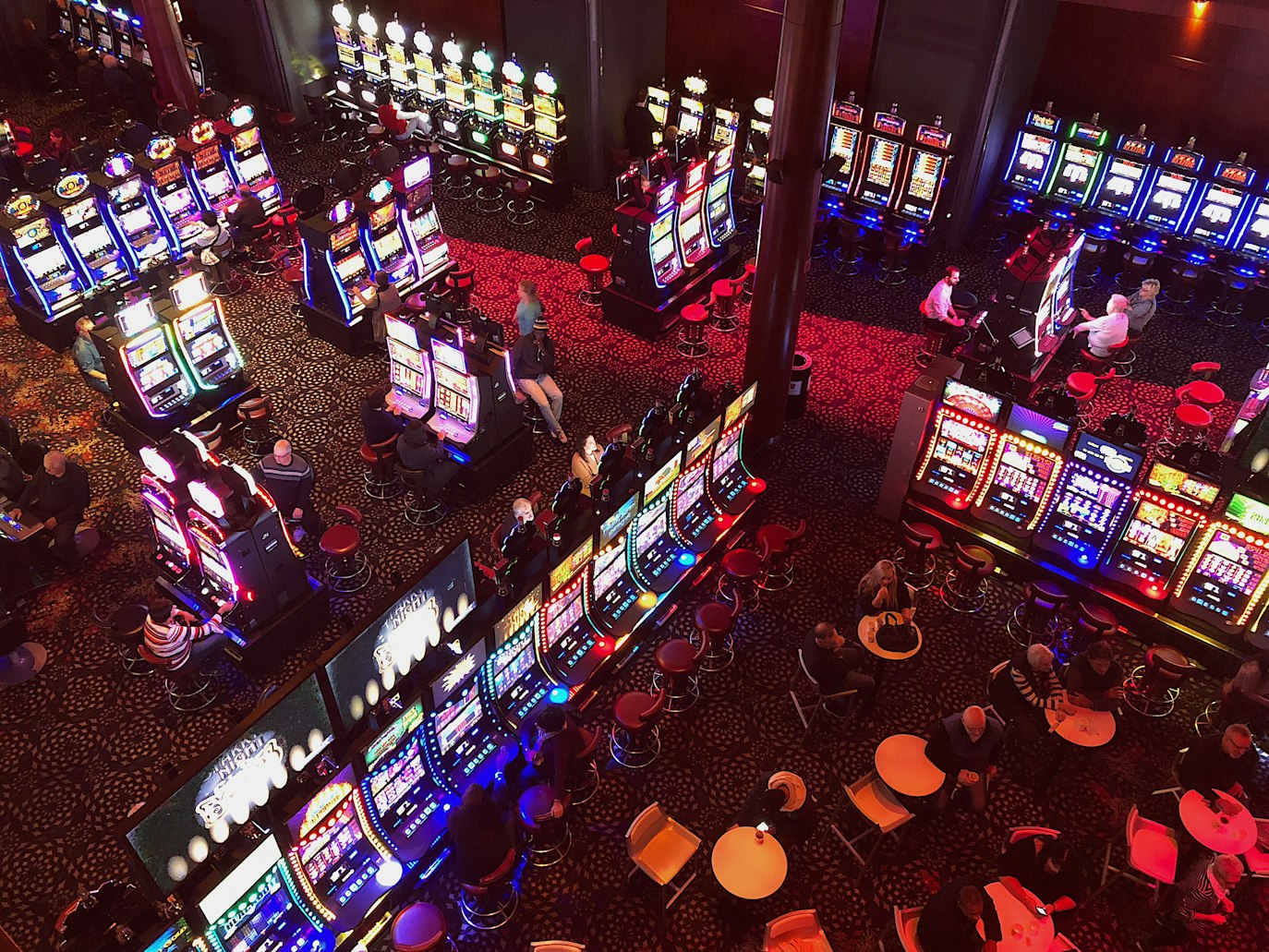
As societies transitioned from agrarian to industrialized economies, gambling adapted to changing lifestyles. In the 19th century, for instance, the rise of casinos in Europe became synonymous with luxury and decadence. Places like Monte Carlo epitomized not only a shift in how gambling was perceived but also highlighted its role in the leisure economy. The merging of gambling with high society’s activities further solidified its cultural importance, creating a narrative that persisted into modern times.
Today, the historical roots of gambling continue to inform its cultural significance. For example, traditional gambling games are often incorporated into national celebrations and cultural festivals, emphasizing the role of chance in social interaction. This blending of the past with contemporary practices showcases how deeply ingrained gambling is in societal traditions, revealing that its significance is much more than a mere pastime.
Gambling in Modern Society
In modern society, gambling serves multiple functions that extend beyond entertainment. It has become a multi-billion-dollar industry, contributing to local economies through job creation and tax revenue. With the rise of online casinos and sports betting, gambling has become accessible to a broader audience, reflecting changing attitudes towards risk-taking and financial speculation. As a result, many view gambling as a legitimate form of leisure, albeit one that requires responsible engagement.
Moreover, gambling has also become a cultural phenomenon, with television shows, movies, and literature exploring its various aspects. Films like “Casino” and “Rounders” delve into the psychological elements of gambling, showcasing how it intertwines with human behavior. This cultural portrayal often glamorizes the lifestyle associated with gambling, influencing public perceptions and encouraging participation. However, it also raises ethical questions regarding the normalization of gambling in everyday life.
Alongside the economic and cultural dimensions, gambling also plays a role in social interactions. Whether at a local bingo hall or a high-stakes poker game, it fosters connections among players. These communal experiences can strengthen friendships and create networks, making gambling a significant social activity. Yet, this aspect also highlights the duality of gambling, where the thrill of winning is often juxtaposed against the risks of addiction and financial loss.
The Role of Gambling in Cultural Traditions
Cultural traditions around gambling vary significantly across different societies, showcasing its diverse impact. In some cultures, gambling is celebrated as a rite of passage. For instance, in certain Native American communities, games of chance are integral to rituals and ceremonies, reinforcing communal bonds. These practices often serve to transmit cultural heritage, demonstrating how gambling can encapsulate the values and beliefs of a people.
Additionally, various cultures have distinct games that resonate with their history and social practices. For example, the game of Mahjong in Chinese culture is often played during family gatherings, symbolizing togetherness and celebration. Similarly, the Western tradition of poker is frequently associated with male bonding, representing a social space for camaraderie and competition. Such games reflect cultural identities and emphasize the significance of gambling as a cultural touchstone.
The integration of gambling into festivals and holidays further illustrates its role in cultural traditions. Events like the Super Bowl in the United States see millions wager on outcomes, turning a sports event into a massive social spectacle. Similarly, celebrations such as Las Vegas’ New Year’s festivities are often characterized by gaming, creating an atmosphere where gambling is not just accepted but celebrated. This merging of gambling with cultural events reveals its deep-rooted presence in societal rituals.
Psychological and Social Implications of Gambling
The psychological aspects of gambling are complex and multifaceted, often intertwining with social dynamics. Many individuals view gambling as a form of escapism, providing a temporary reprieve from life’s stresses. This psychological mechanism can lead to both beneficial and detrimental outcomes. While some may find enjoyment and excitement, others may struggle with compulsive behaviors, underscoring the need for awareness and education surrounding responsible gambling practices.
Moreover, the social implications of gambling cannot be overlooked. While gambling can foster social connections, it also has the potential to strain relationships. For instance, excessive gambling can lead to financial distress, impacting families and friendships. The stigma associated with problem gambling can further isolate individuals, preventing them from seeking help. As such, addressing the psychological and social dimensions of gambling is crucial in promoting healthier engagement.
Community resources, including counseling and support groups, play a pivotal role in helping individuals navigate the complexities of gambling. Public awareness campaigns aim to educate people about the signs of problematic gambling and the importance of moderation. By fostering an open dialogue about the psychological risks, society can encourage healthier attitudes towards gambling, balancing its enjoyment with caution.

Exploring Online Gambling Platforms
In recent years, online gambling platforms have revolutionized the way people engage with games of chance. Websites offering everything from slots to live dealer games have made gambling accessible from the comfort of home. This evolution reflects technological advancements and changing consumer preferences, as more individuals seek convenience and a diverse range of gaming experiences. With the click of a button, players can explore various games that cater to different interests and skill levels.
Online platforms like Hades Bet Casino provide immersive experiences with high-quality graphics and a wide selection of games. These sites often offer attractive bonuses and promotions, enhancing the gaming experience and attracting new players. The interactive nature of online gambling has transformed traditional perceptions, as players can now engage with others in real-time, creating a communal atmosphere even in a virtual environment.
However, the rise of online gambling also presents challenges related to regulation and responsible gaming. Concerns about addiction and fraud have prompted discussions about the need for robust oversight and consumer protection measures. As more people engage with online platforms, it becomes essential to establish guidelines that promote safe gambling practices. By addressing these concerns, the online gambling industry can continue to thrive while ensuring a responsible gaming environment for its users.
Leave a Reply